
Crypto Tax Vietnam: Understanding Your Responsibilities in 2025
As cryptocurrency continues to gain traction in Vietnam, with user growth rates skyrocketing by 78% in 2023, understanding crypto tax regulations has become increasingly crucial for investors and enthusiasts alike. Recent statistics reveal that Vietnam ranks among the top five countries globally in cryptocurrency adoption, prompting the government to formulate regulatory frameworks to ensure compliance. You might wonder, what does this mean for your digital assets, and how can you stay on the right side of the law? Let’s dive into the complexities of crypto taxation in Vietnam.
Overview of Taxes on Cryptocurrency in Vietnam
The legal landscape surrounding cryptocurrency in Vietnam can be somewhat murky. As of 2023, the government has implemented specific guidelines regarding the taxation of digital assets.
- The Ministry of Finance has stated that profits from trading cryptocurrencies are subject to income tax.
- Investors must report any profits earned from trading on exchanges.
However, one of the crucial points is how and when these taxes are applied. For instance, crypto transactions can incur taxes under the corporate income tax, personal income tax, and value-added tax, depending on the nature of the transaction.
Key Regulations for Crypto Users in Vietnam
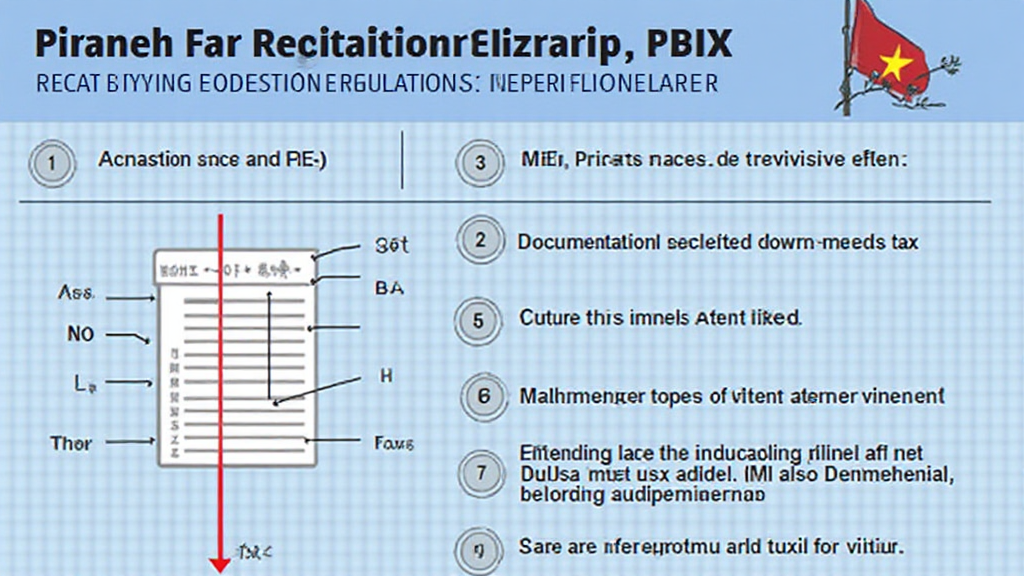
According to the latest guidelines, crypto enthusiasts should be aware of the following:
- All transactions involving cryptocurrency must be documented and reported.
- Each transaction may be subject to different types of taxation, including profits made from trading.
- Failure to comply can result in penalties, including fines and possible legal action.
For example, if you sell Bitcoin (BTC) for a profit, you must declare that profit as taxable. This is similar to selling stocks, where gains must be recorded for tax assessment.
How to Calculate Your Crypto Taxes
Calculating your crypto taxes in Vietnam can be daunting. However, understanding the process is the first step towards compliance. Here are the steps to follow:
- Track Your Transactions: Maintain a detailed record of all your crypto transactions, including dates, amounts, and prices in VND.
- Calculate Gains or Losses: Determine your gains by subtracting the acquisition cost from the selling price.
- File Your Taxes: Report your gains in your annual tax return.
It’s recommended to utilize reliable software for crypto tax calculations to simplify this process. For example, tools like CoinTracker can help you stay organized.
Future Trends in Crypto Taxation in Vietnam
As we look ahead to 2025, we anticipate several trends in cryptocurrency taxation:
- Increased Transparency: The government aims to create more transparent taxation processes for both companies and individual traders.
- Technological Integration: More integration of blockchain technology in tax reporting may emerge, making verification easier.
- Guidelines for New Tokens: As new altcoins proliferate, we expect specific guidance on how they are taxed will be given.
According to the recent Chainalysis report, 2025 will be pivotal for the Vietnamese crypto economy, and staying informed will be vital for all investors.
Working with Professionals
Given the complexity and evolving nature of crypto taxation, seeking help from professionals can be beneficial. Tax advisors who specialize in cryptocurrency can:
- Help you understand specific obligations related to crypto tax.
- Assist in preparing your tax returns accurately.
- Provide insight into how to minimize your tax liabilities legally.
Be sure to collaborate with professionals familiar with Vietnamese laws to ensure compliance with local regulations.
Conclusion: Staying Ahead in Crypto Tax Vietnam
In conclusion, navigating crypto tax Vietnam is essential for anyone engaged in cryptocurrency investments. With the landscape evolving and new regulations being introduced, it’s clear that understanding your responsibilities surrounding taxation will significantly impact your overall investment strategy. As you further explore the crypto world, remember to stay updated, consult professionals when needed, and always document your transactions accurately. Embrace the changes ahead, and leverage your knowledge for a thriving crypto journey!
To learn more about the specifics of managing your taxes in the crypto realm, visit hibt.com.
Author: Dr. Nguyen Van Hoa, a renowned financial expert specializing in cryptocurrency taxation, with over 30 published papers in the field and active in auditing significant blockchain projects.