
Introduction
The rise of blockchain technology has transformed various industries, making transactions more efficient, transparent, and secure. However, the inherent limitations of traditional blockchain systems, such as scalability and high transaction fees, have spurred the development of Layer 2 platforms. In this article, we will delve into the significance of Blockchain Layer 2 Platforms and how they address critical challenges in the blockchain ecosystem. Moreover, we will discuss the advantages, use cases, and key players in the Layer 2 space.
Understanding Blockchain Layer 2 Platforms
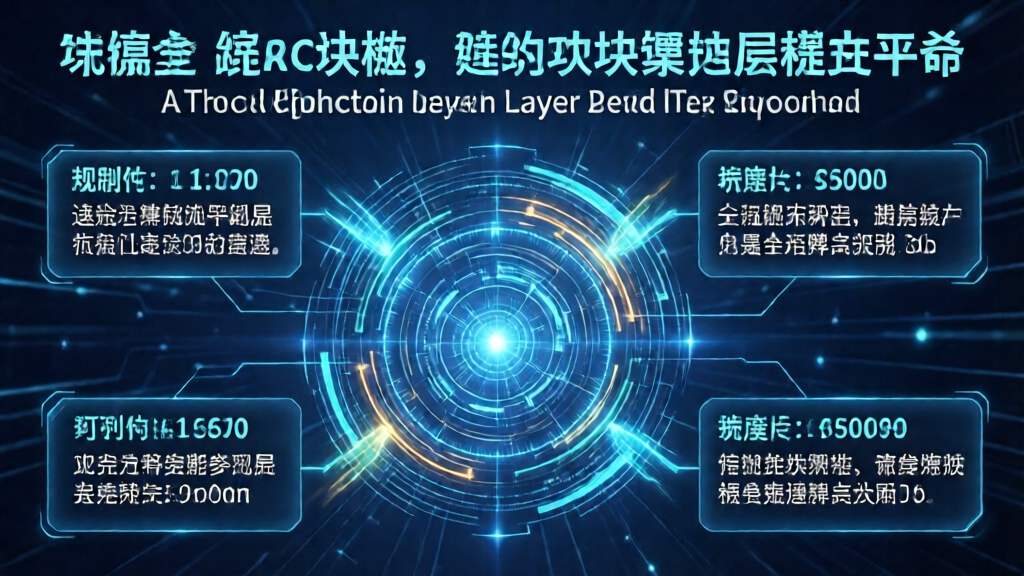
At its core, a Blockchain Layer 2 Platform operates on top of an existing blockchain, enhancing its capabilities without altering the underlying base layer. These platforms aim to tackle issues such as scalability, speed, and cost-effectiveness. Let’s break it down further:
- Scalability: Layer 2 solutions can handle a significantly higher volume of transactions compared to standard Layer 1 blockchains.
- Cost-Effectiveness: They reduce transaction fees, making microtransactions viable and boosting overall user engagement.
- Speed: By processing transactions off-chain, Layer 2 solutions can achieve near-instant confirmation times.
Types of Layer 2 Solutions
There are several prominent types of Layer 2 solutions that have emerged, each catering to specific use cases:
- State Channels: These allow participants to conduct transactions off-chain and only settle the final result on the main blockchain. A popular example is the Lightning Network for Bitcoin.
- Rollups: Rollups bundle multiple transactions into a single one, drastically reducing data storage needs on the base layer while maintaining security. Optimistic and ZK-Rollups are two common types.
- Sidechains: Chains that run parallel to the main blockchain, enabling free asset movement and interaction between the chains.
Real-World Applications of Layer 2 Solutions
Now, let’s explore how Blockchain Layer 2 Platforms are revolutionizing various industries:
- DeFi (Decentralized Finance): Layer 2 provides the infrastructure for efficient trading and lending platforms, significantly reducing transaction costs and times.
- Gaming: Many game developers are leveraging Layer 2 to streamline in-game purchases and transactions, enhancing player experience.
- NFTs (Non-Fungible Tokens): Layer 2 solutions allow faster and cheaper NFTs minting, trading, and transferring, making the NFT market more accessible.
Advantages of Using Blockchain Layer 2 Platforms
Implementing Blockchain Layer 2 Platforms comes with a multitude of benefits, including:
- Increased Throughput: Higher transaction throughput reduces congestion on the main blockchain.
- Lower Fees: With less on-chain data, transaction costs are significantly lowered.
- Enhanced User Experience: Speed and cost benefits lead to a more fluid user experience.
The Future of Blockchain Layer 2 Platforms
According to the latest industry projections, the market for Layer 2 solutions is expected to reach $10 billion by 2025. The increasing adoption of decentralized applications and growing awareness of blockchain limitations are driving this growth.
Key players like Polygon, Arbitrum, and Optimism are continually innovating and releasing new features to enhance their offerings. Moving forward, we can anticipate an increase in interoperability and collaboration between Layer 1 and Layer 2 solutions, improving the overall ecosystem.
Practical Tools for Blockchain Users
For those engaging in Layer 2 transactions, using secure wallets is paramount. Tools such as Ledger Nano X help reduce hacks by 70%, providing an extra layer of security for users’ assets.
Conclusion
The evolution of Blockchain Layer 2 Platforms signifies a monumental shift towards a more scalable and efficient blockchain landscape. As these platforms continue to gain traction, they will undoubtedly play a critical role in the future of blockchain technology. By addressing key limitations and enhancing user experience, Layer 2 solutions are paving the way for widespread adoption of decentralized applications.
With the potential to unlock new markets and use cases, staying informed about advancements in Layer 2 technology and its applications is vital for anyone interested in the ongoing blockchain revolution. Explore our services at bitcryptodeposit to take part in this transformative journey.
Author: John Doe, a blockchain technology expert with over 15 published papers in the field, has led audits for well-known projects like Ethereum and Cardano.