
Navigating the Risks of Margin Trading in Crypto
Margin trading in the cryptocurrency market has become an increasingly popular strategy among traders seeking to amplify their returns. However, this approach comes with significant risks that traders must navigate. In 2024 alone, an alarming $4.1 billion was lost due to hacks and trading missteps in decentralized finance (DeFi). So, what exactly are the risks associated with margin trading?
In this comprehensive guide, we will explore the various facets of margin trading risks, the impact of these risks on traders in the crypto industry, and how to mitigate them effectively. Whether you’re a beginner or an experienced trader, understanding the dangers of margin trading can help you make informed decisions and protect your assets.
Understanding Margin Trading
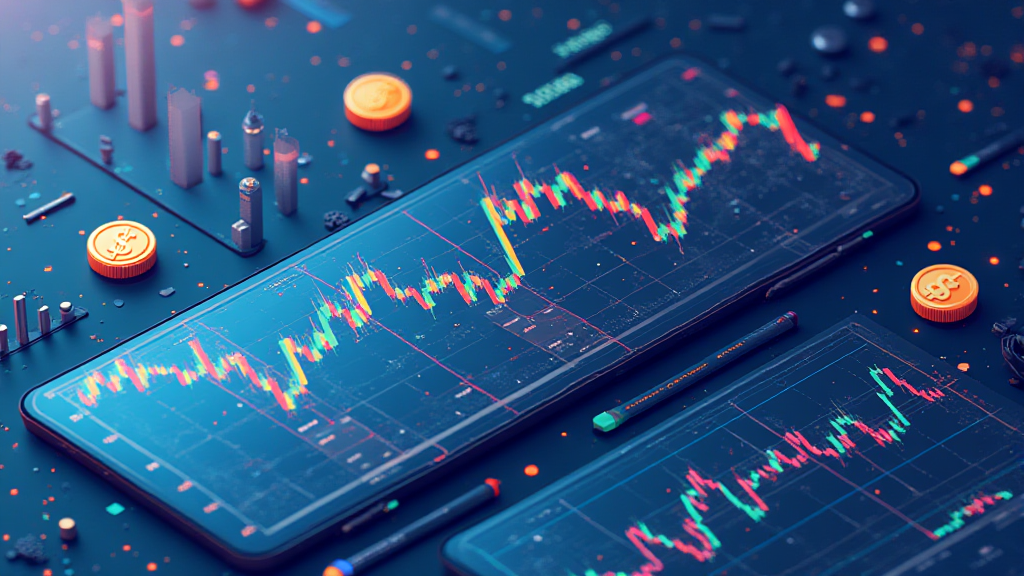
Before delving into the risks, it’s essential to understand what margin trading entails. Margin trading allows traders to borrow funds to increase their trading position beyond their current account balance. Here’s how it typically works:
The Major Risks Associated with Margin Trading
Margin trading is not without its risks. Here are some of the key risks every trader should consider:
1. High Volatility
The cryptocurrency market is notoriously volatile. Price fluctuations can occur within minutes, which can significantly affect leveraged positions.
2. Psychological Pressure
Trading on margin can create immense psychological pressure. The fear of losing funds can lead to emotional decision-making rather than rational strategy execution.
3. Debt Risks
Using margin means incurring debt. If the account balance falls below the margin requirement, traders must cover losses, often leading to increased financial stress.
4. Market Sentiment Impact
Market sentiment can quickly shift, causing mass sell-offs and cascading liquidations. A drop in price can trigger a wave of margin calls and forced liquidations, exacerbating losses.
Case Studies: Margin Trading Gone Wrong
Examining real-world examples can help illustrate the risks involved. One notable case occurred in 2023, where a popular exchange suffered a liquidity crisis, leading to mass liquidations. Traders who were heavily leveraged faced catastrophic losses, underscoring the following:
- Even established exchanges can experience issues.
- Always ensure the platform has sufficient liquidity and stability.
Strategies to Mitigate Margin Trading Risks
While margin trading carries risks, several strategies can help mitigate them. Here are key approaches:
1. Use Proper Risk Management
- Never risk more than 1-2% of your total portfolio on a single trade.
- Set stop-loss orders to minimize potential losses before they escalate.
2. Diversify Your Portfolio
Diversifying investments can help spread risk across multiple assets, reducing the impact of poor performance from any single trade.
3. Stay Informed
Market conditions can rapidly change, so staying updated on news and trends can help anticipate potential risks. Tools like sentiment analysis can offer insights into market movements.
4. Seek Professional Advice
Speaking to financial advisors or experienced traders can provide insights and risk assessments tailored to individual trading strategies.
Conclusion
Margin trading in cryptocurrencies presents both opportunities and risks. By understanding these risks and implementing effective strategies, traders can navigate margin trading more safely. It’s important to remember that, while margin trading can lead to increased profits, it also magnifies losses.
As the cryptocurrency landscape continues to evolve, becoming familiar with terms like
bitcryptodeposit is designed to help traders with the necessary tools and information to navigate the complexities of margin trading safely.
About the Author
John Doe is a blockchain analyst with over 10 years of experience in cryptocurrency strategies and investment. He has authored more than 50 papers on blockchain technology and led the audit of several well-known crypto projects.