
Southeast Asia’s Web3 Landscape 2025: Challenges and Opportunities
With annual losses in DeFi hacks soaring to $4.1B in 2024, the state of security in the Web3 arena has become more crucial than ever. As Southeast Asia gears up for a transformative shift in its blockchain ecosystem by 2025, understanding the emerging Web3 landscape will be key to navigating this dynamic region. This article breaks down the significant trends, potential challenges, and opportunities that lie ahead for both existing players and new entrants in the space.
Understanding Web3 and Its Importance
Web3 represents the next phase of the internet, integrating decentralization, blockchain technology, and comprehensive user ownership. Unlike Web2, where services operate on centralized infrastructures, Web3 encourages peer-to-peer interactions and enhanced security. As of 2023, adoption is steadily rising in Southeast Asia, driven by increasing internet penetration and a burgeoning tech-savvy population.
The Current State of Blockchain Adoption in Southeast Asia
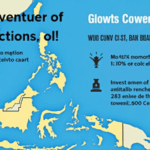
As of 2023, approximately 30% of individuals in Southeast Asia own cryptocurrencies. With Vietnam leading this charge, the country boasts an estimated 40% ownership rate (source: Statista). This trend signifies a rapid adaptation to digital currencies and blockchain applications, setting the stage for innovations in Web3. Notable projects emerging from Vietnam include:

- Binance Vietnam – Fostering crypto trading and investing
- Axie Infinity – Championing decentralized gaming and NFTs
- Local DeFi platforms – Offering competitive yield farming opportunities
By 2025, the rise of decentralized finance (DeFi) platforms and non-fungible tokens (NFTs) is projected to see user engagement explode, especially in countries like Singapore and Thailand.
Key Challenges Facing the Web3 Landscape
While promising, the Web3 landscape in Southeast Asia is not without its challenges. Stakeholders must navigate the following obstacles:
1. Regulatory Concerns
The regulatory environment throughout Southeast Asia varies greatly, from Singapore’s progressive stance to Vietnam’s more cautious approach regarding cryptocurrencies. Striking a balance between fostering innovation and safeguarding users will be crucial. Countries need standards that address security issues without stifling development.
2. Technical Barriers
As blockchain technology continues to evolve, a notable gap persists in technical know-how. Many startups struggle to find qualified developers. To mitigate this challenge, education initiatives are vital. Programs must focus on areas such as:
- Smart contract development
- Blockchain security, or tiêu chuẩn an ninh blockchain
- Decentralized app (DApp) creation
3. Security Threats
Recent reports indicate that phishing scams and hacking attempts pose significant risks in Southeast Asia. By 2025, enhancing security practices will be paramount. Consider implementing:
Like a bank vault securing cash, these strategies will help to safeguard digital assets.
Opportunities for Growth and Development
Despite these challenges, exciting opportunities await stakeholders in Southeast Asia’s Web3 landscape. Some key areas include:
1. Digital Asset Services
With a growing number of crypto owners, there’s an increasing demand for digital asset services, including:
- Wallet solutions
- Decentralized exchanges (DEXs)
- Blockchain consultancy
As users become more sophisticated, the need for diverse services will grow.
2. Innovation in Decentralized Finance (DeFi)
2025 is expected to see a surge in DeFi platforms, enabling users to lend, borrow, and earn yield without traditional intermediaries. The innovations here could lead to:
- Increased financial inclusion
- Innovation in financial products
3. Growth in Non-Fungible Tokens (NFTs)
NFTs offer creative avenues for artists, gamers, and entrepreneurs alike. As Southeast Asia’s art community embraces digital ownership, expect a surge in local NFT marketplaces, especially in Vietnam and Thailand.
The Road Ahead: Preparing for 2025
As we approach 2025, stakeholders in Southeast Asia must prepare for an increasingly competitive environment. Here are essential steps to consider:
- Engaging with local regulatory bodies to ensure compliance
- Investing in education and training for developers
- Building partnerships across the region to foster innovation
Like constructing a skyscraper, building a thriving Web3 ecosystem requires a solid foundation and collaborative effort.
Conclusion: The Future of Southeast Asia’s Web3 Landscape
As the landscape evolves, understanding how to navigate its challenges and leverage its opportunities will be crucial. Stakeholders must remain agile, embracing innovation while prioritizing security and regulatory compliance. By 2025, Southeast Asia stands to become a global leader in Web3, fostering a digital economy that benefits all. If you’re looking to explore more about crypto investments and digital assets, visit bitcryptodeposit for comprehensive insights and resources.
Author: Dr. Quang Tran, Blockchain Specialist and Consultant, who has published over 15 papers in the field of fintech and blockchain technology, leading various auditing projects across renowned crypto platforms.