
Introduction
In 2024 alone, the decentralized finance (DeFi) sector suffered over $4.1 billion in losses due to hacks. As the blockchain landscape evolves, the need for rigorous
1. Understanding Blockchain Security Audits
A blockchain security audit refers to a thorough examination of a blockchain system’s security measures. This involves reviewing the underlying code, network configurations, and all transactions related to the blockchain. By conducting such audits, platforms can identify vulnerabilities and strengthen their defenses. Much like how a bank vault secures physical assets, blockchain security audits help protect digital assets.
1.1 The Importance of Audits
- Audit findings help in spotting vulnerabilities before they can be exploited.
- Enhances users’ trust in the platform, leading to higher engagement.
- Regulatory compliance is essential for long-term sustainability.
1.2 Basic Components of an Audit
2. Key Challenges in Blockchain Security
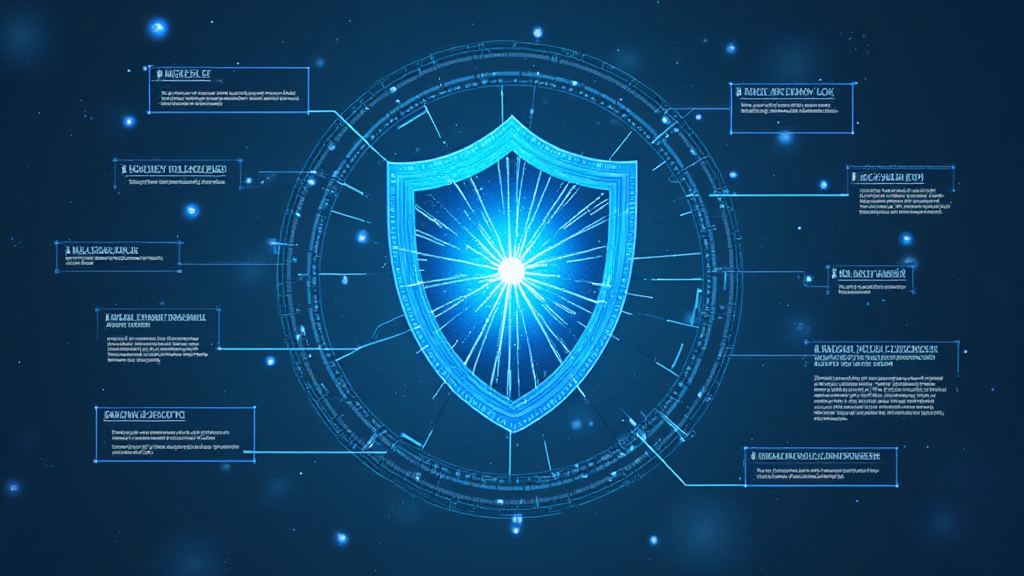
As blockchain technology evolves, so do the security challenges associated with it. Below are some of the most pressing challenges organizations face:
2.1 Consensus Mechanism Vulnerabilities
The consensus mechanism is vital for any blockchain, determining how transactions are validated. However, vulnerabilities in these mechanisms can lead to significant issues:
- 51% attacks can compromise the integrity of a blockchain.
- Forking can lead to unintentional splitting of blockchain, affecting liquidity and trust.
2.2 Smart Contract Risks
Smart contracts automate processes in blockchains, but they are not without flaws:
- A single bug can lead to significant financial losses.
- Poorly designed contracts can expose other smart contracts to vulnerabilities.
2.3 External Threats
External actors, including hackers, continuously evolve their techniques:
- Phishing schemes target users, compromising their credentials.
- Malware can infiltrate wallets, leading to losses.
3. Conducting a Robust Security Audit
Here’s how one can conduct a thorough blockchain security audit. Keep in mind, the process may vary depending on the complexity of the blockchain involved.
3.1 Preparing for the Audit
- Gather all necessary documentation, including network architecture, transaction logs, and existing security protocols.
- Identify audit objectives, including what systems must be examined and potential outcomes.
3.2 Executing the Audit
- Begin with a comprehensive code review. Utilize both manual and automated testing tools to cover ground.
- Engage in penetration testing, attempting to breach security protections.
3.3 Reporting Findings
- Compile findings in a comprehensive report, detailing vulnerabilities discovered and recommended mitigation strategies.
- Engage stakeholders through discussions about potential risks and compliance with regulations.
4. The Future of Blockchain Security in Vietnam
Vietnam is witnessing a burgeoning crypto market, with user growth rates increasing by over 25% in the past year. This surge has instigated a heightened need for stable and secure cryptocurrency platforms. As projects surface, they must prioritize
4.1 The Growing Landscape
- Local regulations are increasingly tightening, necessitating enhanced security measures.
- Users are becoming more aware of security; thus, platforms with robust audits stand out.
4.2 Examples of Success in the Region
Notable successes can inspire future projects:
- Leading Vietnamese platforms implement third-party audits effectively.
- Startups adopting security-first designs attract significant investments.
5. Conclusion
In summary,
For platforms such as Bitcryptodeposit, undergoing regular audits is indispensable. Protecting user assets should never be a compromised factor when dealing with digital currencies. To learn more about how to effectively safeguard your cryptocurrency investments, visit bitcryptodeposit.
About the Author
Dr. Alex Nguyen is a blockchain security expert with over 10 years of experience. He has published numerous papers on blockchain technology and led security audits for some of the most prominent cryptocurrency platforms worldwide.