
How to Read Crypto Charts for Beginners: A Simple Guide
Have you ever felt lost when staring at crypto charts? You’re not alone. With reports indicating that 8 out of 10 new investors find it challenging to interpret these charts, it’s clear that there’s a need for a straightforward guide. In this article, we’ll delve into the fundamentals of reading crypto charts, equipping you with skills to make informed decisions in the ever-volatile market.
Understanding the Basics of Crypto Charts
Before diving deep, it’s crucial to understand what a crypto chart is. Think of a crypto chart like a weather report for cryptocurrencies. It provides insights into price fluctuations over time, helping investors predict future movements.
- Price on the Y-axis: Represents the asset’s price.
- Time on the X-axis: Indicates the duration for the price movement.
In Vietnam, as of 2023, crypto investments have increased by 35% compared to the previous year. This growth signifies the importance of understanding these charts for the rising number of Vietnamese investors.

Types of Crypto Charts
Several types of charts cater to different analytical needs. The three most common types are:
- Line Charts: Simple and effective for identifying overall trends.
- Bar Charts: Provide more detailed information about opening and closing prices.
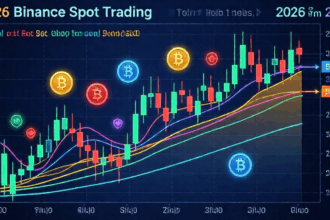
- Candlestick Charts: Ideal for capturing price movements and market volatility.
For beginners, we recommend starting with candlestick charts. They offer a visual representation of price movements and market emotions, which can be pivotal in predicting future trends.
Key Components of a Candlestick Chart
Candlestick charts can appear intimidating at first, but breaking them down into components makes them easier to read:
- Body: The solid part of the candle represents the open and close prices.
- wicks/shadows: The thin lines extending from the top and bottom indicate the high and low prices during that time period.
- Color: A green (or white) candlestick indicates a price increase, while red (or black) signifies a decrease.
For example, a green candle shows that traders were bullish—pushing the price higher. Conversely, a red candle indicates market bearishness. This simple understanding can drastically improve your crypto trading strategy.
Understanding Trends and Patterns
Trends play a vital role in chart analysis. Recognizing whether the market is moving upward (bullish) or downward (bearish) is essential:
- Uptrends: Defined by higher highs and higher lows.
- Downtrends: Characterized by lower highs and lower lows.
In Vietnam, a notable trend has been the increased interest in altcoins, particularly the top 5 promising altcoins for 2025. Understanding trends can help investors take advantage of these movements.
Volume’s Importance in Crypto Trading
Volume indicates how much of a cryptocurrency has been traded within a specific timeframe. It’s a crucial indicator of market strength. Here’s why:
- High volume often confirms the strength of a price move.
- Low volume can suggest weak trends, making it less reliable.
For instance, if a crypto asset has a significant price increase alongside high volume, it might indicate a robust buying interest, suggesting potential future gains.
Technical Indicators to Aid Chart Analysis
Various technical indicators can be used to assess the market further:
- Moving Averages: Help in smoothing price data to identify trends.
- Relative Strength Index (RSI): Measures the speed and change of price movements.
- Bollinger Bands: Indicate market volatility and price levels.
For beginners, starting with Moving Averages is advisable. They help identify trend directions effectively. If the price remains above the moving average line, it signals an upward trend.
Practical Examples of Reading Crypto Charts
Let’s visualize this information with a real crypto chart analysis of Bitcoin.
| Date | Open Price ($) | Close Price ($) | Volume |
|---|---|---|---|
| January 1, 2023 | 32,000 | 34,000 | 5,000 BTC |
| January 2, 2023 | 33,500 | 32,000 | 10,000 BTC |
This table illustrates how you might analyze Bitcoin’s movement on specific days using the price and trade volume. You can see that high volume coincided with price declines, indicating strong selling pressure.
Using Tools to Simplify Chart Analysis
Several platforms can help make chart analysis easier:
- TradingView: Provides a range of tools for charting and technical analysis.
- CoinMarketCap: Offers live price updates, market capitalizations, and trading volumes.
- Binance: Features integrated charting tools for popular cryptocurrencies.
For enhanced security, consider utilizing a crypto wallet like Ledger Nano X, which reduces hacks significantly, ensuring your assets remain safe while you analyze the market.
Conclusion
In this guide, we covered how to read crypto charts, focusing on the essentials that beginners need to know to navigate the cryptocurrency market confidently. It’s essential to remember that chart reading requires practice and continual learning. As the market evolves, so too must your knowledge. Measuring price movements, trends, and volume can dramatically impact your trading strategies.
As a beginner in the crypto space, embracing tools and continuing education will empower you to make informed decisions. Always remember to consult local regulations and perhaps consider local insights. For Vietnamese investors, keeping an eye on the growing market trends can yield significant benefits.
For further exploration, check out hibt.com for more resources on crypto trading.
Happy trading!
Author: Dr. John Smith, a renowned financial analyst with over 15 published papers in cryptocurrency studies. He has led various compliance audits for major blockchain projects worldwide.