
Atomic Swaps: A Revolutionary Step in Crypto Exchange
With the cryptocurrency market continuing to expand rapidly, the need for more secure and decentralized trading mechanisms has never been more critical. In 2024 alone, approximately $4.1 billion was lost to DeFi hacks, highlighting vulnerabilities in current trading systems. One of the promising solutions to these problems is atomic swaps, a mechanism facilitating peer-to-peer exchanges of cryptocurrencies across different blockchains without the need for intermediaries. In this article, we will delve into how atomic swaps work, their benefits, challenges, and potential future impact on the crypto landscape.
Understanding Atomic Swaps
Atomic swaps, also known as cross-chain swaps, allow users to exchange cryptocurrencies directly from their wallets without relying on a central exchange. This process can be likened to a bank vault for digital assets – it holds your funds securely while giving you the flexibility to trade without exposing them to third-party risks.
How Do Atomic Swaps Work?
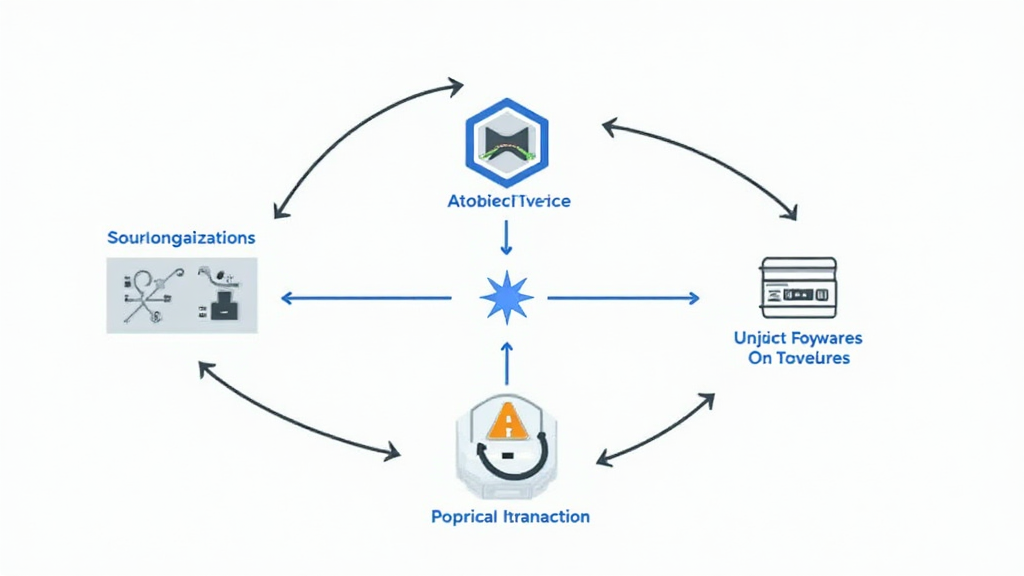
- Hash Time-Locked Contracts (HTLC): Atomic swaps utilize HTLCs to ensure that transactions occur simultaneously and securely. HTLCs employ cryptographic techniques to lock funds until both parties fulfill their contract conditions.
- Decentralization: By eliminating the need for intermediaries, atomic swaps empower users with full control over their funds, diminishing the risks associated with centralized exchanges.
- Multi-Chain Compatibility: Atomic swaps can facilitate exchanges across different blockchains, making them versatile and useful for trading diverse cryptocurrencies.
The Advantages of Atomic Swaps
Implementing atomic swaps presents several advantages:
- Enhanced Security: With no central authority holding users’ funds, atomic swaps significantly reduce the risk of hacks.
- Lower Costs: Bypassing intermediaries can lower transaction fees, making trading more accessible for users.
- Increased Privacy: As the transactions do not involve a third party, they can provide better privacy for users compared to traditional exchanges.
Challenges of Atomic Swaps
Despite their benefits, atomic swaps come with certain challenges that need to be addressed:
- Technical Expertise Required: Users need to understand cryptocurrency wallets and blockchain technology to engage effectively in atomic swaps.
- Liquidity Issues: Finding a matching trade for specific cryptocurrencies might bechallenging, impacting overall trade volume.
- Limited Adoption: As still a relatively new concept, many users are unaware or skeptical about this trading method, slowing down its adoption.
Atomic Swaps in the Vietnamese Market
The Vietnamese cryptocurrency market has seen a significant uptick in interest, with a growing number of users keen to explore innovative trading options. In the past year, Vietnam experienced a 75% growth rate in crypto adoption. The introduction of atomic swaps could further enhance trading efficiency within this vibrant market.
According to local reports, many Vietnamese traders are eager to leverage tiêu chuẩn an ninh blockchain to maximize their profits while minimizing risks. By offering atomic swaps, platforms like hibt.com could play a crucial role in advancing crypto trading within Vietnam.
A Case Study: Successful Atomic Swap Implementation
To illustrate the effectiveness of atomic swaps, let’s look at a real-world example:
- Example Transaction: Two parties, Alice and Bob, desired to exchange Bitcoin (BTC) for Ethereum (ETH). Alice initiated the swap through a decentralized platform utilizing atomic swaps.
- Execution: The platform created an HTLC; Alice’s BTC was locked until Bob verified the transaction with ETH. Once confirmed, both transactions were executed simultaneously, completing the swap without any intermediaries.
- Outcome: Both parties experienced a secure transaction with significantly lower fees compared to traditional exchanges.
The Future of Atomic Swaps
As the cryptocurrency space continues to evolve, atomic swaps could reshape how users trade assets. Major advantages such as decentralization, security, and reduced fees position atomic swaps as a prominent feature in the future of crypto trading.
Experts predict that by 2025, more users will turn to atomic swaps as a standard practice, leading to enhanced market stability and a decline in centralized exchange reliance. The initial barriers to understanding and execution may diminish as awareness increases.
Conclusion: The Road Ahead for Atomic Swaps
In conclusion, atomic swaps represent a significant advancement in the cryptocurrency exchange landscape. As the world continues to witness the exponential growth of digital currencies, these swaps could pave the way for enhanced security, lower transaction fees, and greater control for users. As platforms like bitcryptodeposit begin to adopt and implement this technology, users can look forward to more efficient and secure trading experiences.
Notably, innovations like atomic swaps come with their own set of challenges and require a sound understanding of blockchain technology. As a cryptocurrency enthusiast navigating this landscape, ensure you stay informed and updated on the latest advancements.
About the Author
John Doe, a digital currency strategist, has authored over 15 papers on blockchain technology and has led audits for notable projects in the DeFi sector. His insights into cryptocurrency trends and security measures serve as reliable guides for traders and investors alike.