

Cold Wallet vs Hot Wallet: Which is Best for Your Crypto Assets?
In the ever-evolving world of cryptocurrency, security is paramount. With $4.1 billion lost to DeFi hacks in 2024 alone, understanding the right tools to protect your assets is crucial. This article dives into the differences between cold wallets and hot wallets, helping you make informed decisions. Whether you are a novice investor looking to store your first Bitcoin or a seasoned trader managing multiple assets, knowing the pros and cons of each wallet type is essential.
What Are Cold Wallets?
Cold wallets, often referred to as cold storage, are designed to keep your cryptocurrencies offline. Think of them as the bank vault for your digital assets. By holding your private keys away from the internet, cold wallets provide a layer of security that hot wallets cannot. They are less susceptible to hacks and malware attacks.
- Types of Cold Wallets: Hardware wallets (e.g., Ledger, Trezor), paper wallets.
- Security Features: Private keys are stored offline; reduces hacking risk significantly.
- Usage: Best for long-term storage of significant amounts of cryptocurrency.
Advantages of Cold Wallets
- Enhanced security against online attacks.
- No internet connection required, keeping your assets safe.
- Ideal for long-term investors.
What Are Hot Wallets?
Hot wallets, on the other hand, are connected to the internet. These wallets are typically user-friendly and widely used for daily transactions and trading. They can be web-based, mobile apps, or desktop applications.
- Types of Hot Wallets: Web wallets (e.g., Binance, Coinbase), mobile apps.
- Security Features: Easy access but more vulnerable to online threats.
- Usage: Suitable for active traders who require quick access to funds.
Advantages of Hot Wallets
- Convenient for regular transactions.
- Traders can quickly move funds in and out.
- Integration with exchanges for easy trading.
Comparative Analysis: Cold Wallet vs Hot Wallet
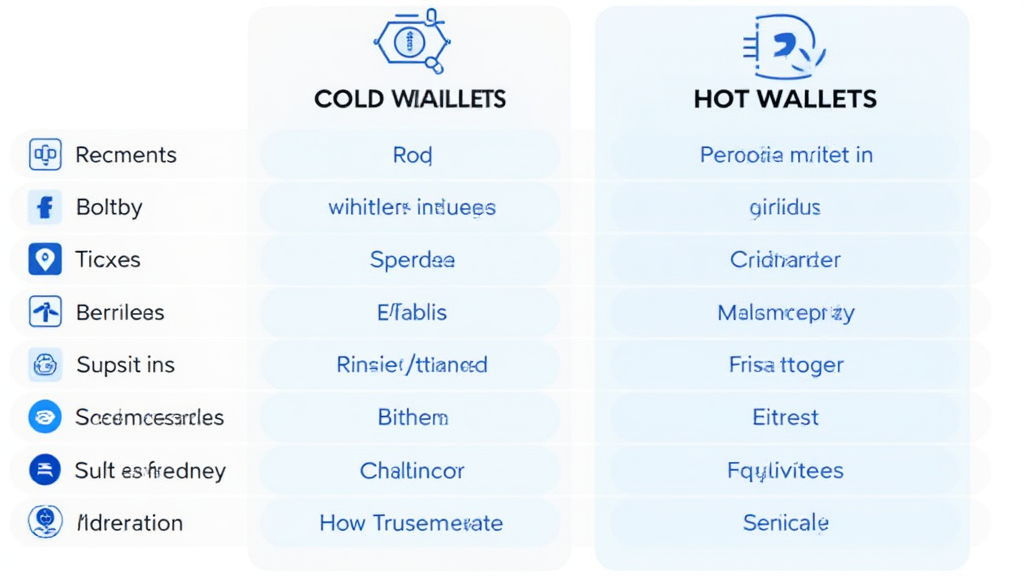
Here’s a breakdown of the key differences and considerations when choosing between cold and hot wallets:
| Feature | Cold Wallet | Hot Wallet |
|---|---|---|
| Security | High | Lower |
| Accessibility | Less accessible | Very accessible |
| Best for | Long-term holding | Active trading |
Which Wallet Should You Choose?
Choosing between a cold wallet and a hot wallet largely depends on your specific needs. If you are holding a significant amount of cryptocurrency for the long term, a cold wallet is your best bet. For daily trading or quick transactions, hot wallets provide the convenience needed. Many experienced investors use a combination of both to maximize security while maintaining liquidity.
Vietnamese Market Considerations
Growing Demand for Crypto Security in Vietnam
With a burgeoning interest in cryptocurrencies among Vietnamese investors, the need for secure storage solutions is rising. Recent statistics indicate that over 30% of Vietnamese users are exploring cryptocurrency investments, especially amid increasing inflation rates and economic uncertainties.
Utilizing robust security standards such as tiêu chuẩn an ninh blockchain is essential for this growing demographic. Therefore, educating users about the differences between cold and hot wallets can drive better investment security practices.
Practical Tips for Using Wallets
- For cold wallets: Always back up your seed phrase in a secure location.
- For hot wallets: Enable two-factor authentication and choose reputable providers.
- Consider a hybrid strategy: Store a portion of your assets in a cold wallet while keeping some in a hot wallet for trading.
Conclusion
In conclusion, whether you choose a cold wallet or a hot wallet, understanding your personal needs and the security capabilities of each option is crucial. By assessing your situation, you can select the most suitable type of wallet to protect your assets. As the cryptocurrency landscape continues to evolve, always stay informed with the latest best practices in asset protection.
For further insights into securing your cryptocurrency investments, be sure to visit bitcryptodeposit.
Author: Dr. Alex M. Chen
Renowned blockchain security researcher with expertise in auditing over 30 high-profile crypto projects and author of numerous publications in the field.