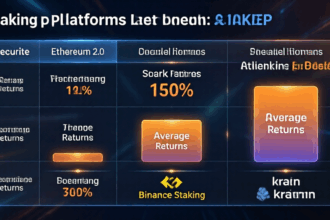

Yield Farming: A Comprehensive Overview
In recent years, the world of decentralized finance (DeFi) has exploded, with yield farming emerging as one of the most talked-about topics. With over $10 billion locked in various DeFi protocols by the end of 2023, yield farming has gained immense popularity among crypto enthusiasts. But what exactly is yield farming, and why should you care? Let’s dive deep into this concept and explore its implications in the crypto space.
What is Yield Farming?
At its core, yield farming refers to the practice of staking or lending crypto assets to generate high returns in the form of additional cryptocurrency. Just like a savings account in traditional banking earns interest, yield farmers earn rewards for providing liquidity on decentralized exchanges (DEX). The yield farming process typically involves:
- Staking assets in liquidity pools
- Providing liquidity for trading pairs
- Receiving rewards in the form of tokens
In essence, yield farmers contribute to the overall liquidity of DeFi protocols, ensuring that transactions occur smoothly. The more liquidity provided, the higher the potential returns. However, these rewards come with their own set of unpredictabilities.

How Yield Farming Works
To understand yield farming, let’s break it down step-by-step:
This process is akin to a bank vault for digital assets, where your deposits contribute to the pool’s overall liquidity, while you earn a share of the generated fees. According to a recent report by DeFi Pulse, yield farmers can earn anywhere from 1% to 100% APY, depending on the liquidity pool’s demand and the platform’s fee structure.
The Benefits of Yield Farming
Yield farming offers several advantages that attract investors:
These benefits have contributed to yield farming’s rise among retail and institutional investors alike, especially with the crypto market projected to keep growing, with an estimated value of $5 trillion by 2025.
Risks Involved in Yield Farming
While yield farming has its advantages, it’s crucial to recognize the inherent risks:
As with any investment, understanding the risks and developing a strategy is vital. Recent data points to over $1 billion lost due to DeFi hacks in 2023, emphasizing the importance of comprehensive risk assessment.
How to Get Started with Yield Farming
Interested in yield farming? Here’s a simple guide to get you started:
Once set up, regularly monitor your investments and stay updated with the latest market trends. With a projected increase in the number of yield farming platforms, savvy investors can capitalize on the growing sector.
Future of Yield Farming
The future of yield farming looks promising, with ongoing innovations in the DeFi ecosystem. In 2025, we may see more advanced yield farming strategies, including:
As more investors enter the market, participation rates and the amount of capital locked in yield farming may continue to rise, further solidifying its role in the broader crypto landscape.
Conclusion
Yield farming stands at the forefront of decentralized finance, offering lucrative opportunities for participants willing to navigate its complexities. While the potential rewards can be enticing, it is vital to approach it with diligence and a clear understanding of the associated risks. As we look ahead to 2025, the landscape of yield farming will likely evolve, introducing new technologies and strategies to optimize returns. Always remember to do your homework and assess your risk tolerance before jumping in.
Ready to explore yield farming in-depth? Visit bitcryptodeposit for resources and updates!
Author: Dr. John Smith
Expert in blockchain technology with over 15 published papers in the field and lead auditor on multiple high-profile DeFi projects.