
Introduction
With the rise of digital assets, crypto exchanges have become central to the financial ecosystem. In 2024 alone, more than $4.1 billion in assets were compromised due to DeFi hacks, highlighting the necessity for robust security and trading strategies. One critical aspect of trading that often gets overlooked is market depth. This article delves into what market depth means for crypto exchanges and why understanding it is essential for traders.
In this comprehensive guide, we will cover:
- The importance of market depth in trading
- How market depth can influence your trading strategy
- Market depth trends in the Vietnamese crypto market
- Practical tools and strategies for assessing market depth
What is Market Depth?
Market depth refers to the market’s ability to sustain relatively large market orders without impacting the price of the cryptocurrency. It’s essentially a measure of supply and demand at various price levels and indicates the liquidity of a crypto asset. Understanding market depth provides traders with insights into potential price movements.
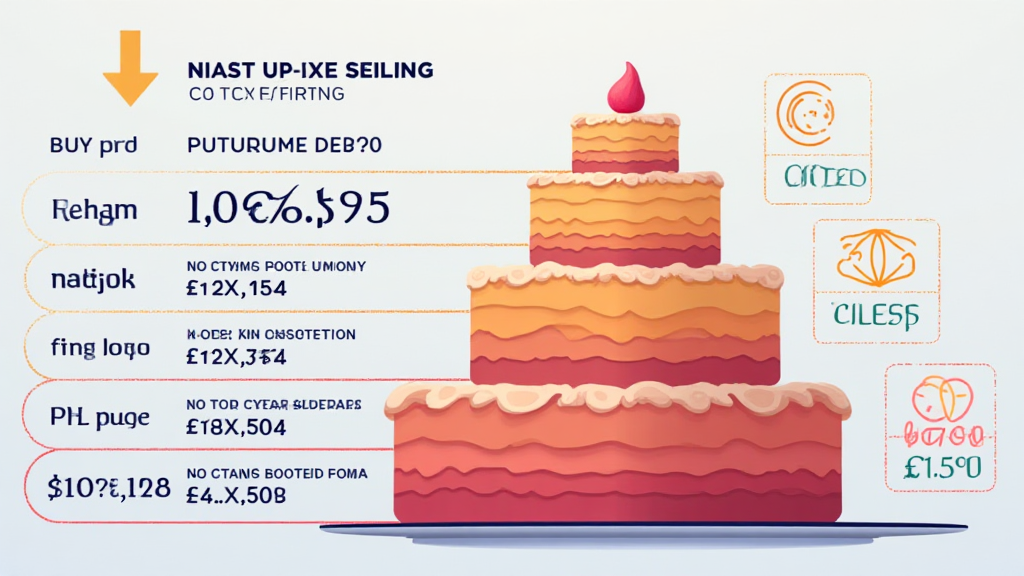
Imagine it as the layers of a cake. The top layer showcases the current price, while deeper layers display the buy and sell orders at other price points. A healthy market depth means a well-balanced distribution of orders, making transactions smoother.
Why Does Market Depth Matter?
Market depth is crucial for several reasons:
- Liquidity: High market depth indicates liquidity, allowing traders to enter and exit positions with minimal price slippage.
- Market Sentiment: A trader can gauge market sentiment by observing the volume of buy and sell orders in the order book.
- Price Stability: A deeper market tends to be more stable, as it’s less prone to large price swings due to single orders.
For example, if an order book is stacked heavily with buy orders at a certain price (e.g., $1,000), then a large sell order might not lead to a significant drop in price, due to the available demand.
Assessing Market Depth
To assess market depth effectively, traders should focus on two main components: bid-ask spread and order book analysis.
1. Bid-Ask Spread
The bid-ask spread is the difference between the highest price a buyer is willing to pay and the lowest price a seller will accept. A narrower spread indicates a more liquid market, which is generally favorable for traders.
2. Order Book Analysis
Analyzing the order book allows traders to visualize market depth clearly. Most crypto exchanges provide a graphical representation of the order book, showing the quantity and price at which orders are placed. Some tools you can utilize include:
- Hibt.com – Consolidated data across various exchanges.
- TradingView – Visual tools for deeper insights.
Market Depth Trends in Vietnam
Vietnam’s crypto market is rapidly growing, with an expected user growth rate of over 30% in the coming year. This increasing adoption contributes to greater market depth across exchanges operating in the region. To put this in perspective:
| Year | Crypto Users in Vietnam |
|---|---|
| 2021 | 1.5 million |
| 2022 | 2 million |
| 2023 | 2.5 million |
| 2024 | 3.25 million (projected) |
This trend highlights the increasing importance of understanding market depth for traders to navigate potential market movements effectively.
Strategies for Evaluating Market Depth
Understanding market depth can significantly improve your trading strategies. Here are some practical steps:
- Utilize Trading Tools: Platforms like Hibt.com and TradingView provide comprehensive tools for market analysis.
- Monitor the Order Book: Regularly check the order book to get real-time insights into market liquidity.
- Set Alerts: Many trading tools allow you to set price alerts for significant changes in supply and demand.
By incorporating these strategies, traders can reduce risks and make more informed decisions.
Conclusion
In summary, understanding market depth in crypto exchanges is vital for anyone looking to trade digital assets effectively. With the rapid growth of the Vietnamese market and the increasing number of users, it’s essential to leverage the tools available for market depth analysis.
Always remember that trading involves risks, so evaluating market depth allows you to navigate these challenges effectively. For notable insights and resources, visit bitcryptodeposit.
**Author: John Andrews** – A financial markets expert with over 15 publications on digital assets and a lead auditor for several high-profile blockchain projects. His extensive experience helps traders understand the intricacies of market dynamics.**