

Introduction
In the ever-evolving landscape of digital finance, the importance of crypto payment APIs cannot be overstated. With a market capitalization of over $2 trillion in 2023, cryptocurrency is no longer a fringe investment option but has become mainstream. Businesses, whether large or small, are looking to integrate cryptocurrency payments into their operations, driven by the need for faster transactions and lower fees. However, the challenge lies in how to effectively implement these solutions.
Here’s the catch: understanding the technology behind crypto payment APIs is crucial for anyone looking to stay ahead in the game. Beyond the technical jargon, these APIs serve as the bridge between traditional payment systems and the innovative world of cryptocurrencies. This article will explore the core elements, benefits, practical applications, and the best practices for utilizing crypto payment APIs effectively.
Understanding Crypto Payment APIs
A crypto payment API enables businesses to accept and process cryptocurrency payments easily. Simply put, it is a set of predefined methods and tools allowing developers to build software that interacts with a cryptocurrency network.
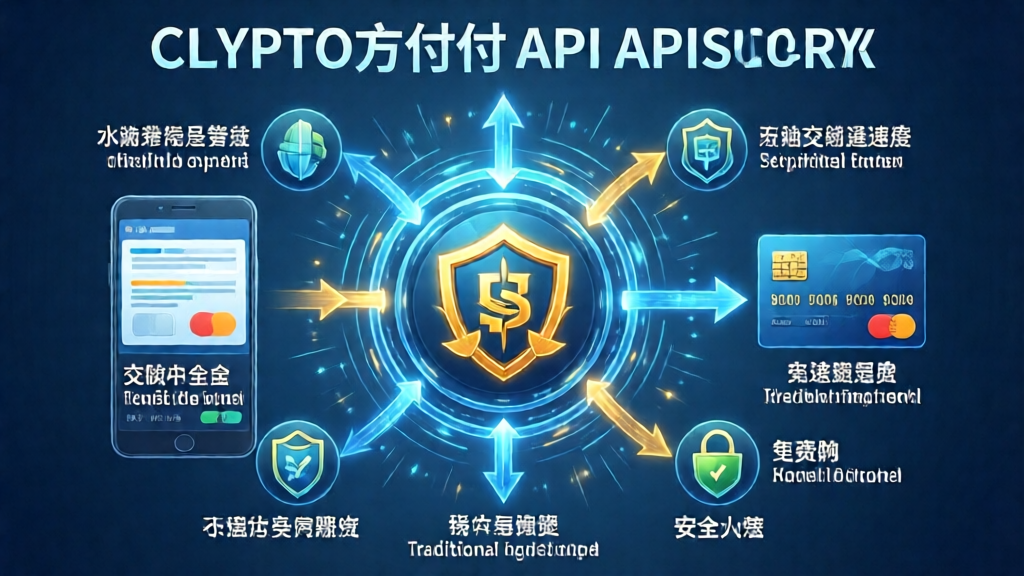
- API Functionality: From transaction requests to wallet integrations, the functions of a crypto payment API can vary widely.
- Security Features: Many of these APIs come equipped with robust security measures, essential to safeguarding transactions.
- User Authentication: The ability to verify user identities while ensuring compliance with local regulations is crucial.
By integrating these APIs, businesses can streamline their payment processes, reduce operational costs, and enhance customer experience.
Benefits of Crypto Payment APIs
Adopting crypto payment APIs can offer numerous advantages, including:
- Low Transaction Fees: Traditional banks often charge hefty fees for processing transactions; crypto payments can be significantly cheaper.
- Faster Transactions: Cryptocurrencies can offer quicker settlement times compared to traditional banking methods.
- Global Reach: Cryptocurrencies enable businesses to bypass geographical boundaries, reaching customers worldwide.
Market Data Insights
According to a recent report by Statista, the volume of cryptocurrency transactions exceeded $600 billion in 2022. This data illustrates a shifting paradigm where digital currencies are becoming an accepted form of payment across various sectors.
Real-World Applications of Crypto Payment APIs
To visualize the use of crypto payment APIs, consider different sectors:
- E-commerce: Businesses like Overstock accept Bitcoin, enhancing their payment options.
- Charity: Platforms like BitGive allow users to donate cryptocurrencies, demonstrating ease and transparency.
- Travel & Hospitality: Expedia enables customers to pay for travel bookings with Bitcoin.
Case Study
Take the case of Shopify, which has integrated a cryptocurrency payment option through a crypto payment API. This move not only attracted crypto-savvy customers but also positioned Shopify as a forward-thinking e-commerce platform. The resulting customer growth was a staggering 30% within the following quarter.
Best Practices for Integration
Successful implementation of crypto payment APIs requires compliance and best practices:
- Understand Regulations: Ensure to comply with local laws governing cryptocurrency transactions.
- Choose the Right API: Evaluate various APIs based on fees, security features, and transaction speeds. Tools like Ledger Nano X can reduce hacks by 70%.
- Perform Regular Audits: Routine evaluations of your crypto payment processing methods are essential.
Compliance in Cryptocurrency
With regulations tightening around cryptocurrency usage, staying compliant is crucial. Many countries have begun implementing stringent policies that govern how businesses handle crypto transactions. Familiarizing yourself with these standards can save you from potential legal issues in the future.
Challenges of Crypto Payment APIs
While the benefits are clear, there are challenges:
- Volatility: The fluctuating prices of cryptocurrencies can impact user confidence.
- Integration Issues: Businesses may face technical hurdles during the API integration phase.
- Consumer Understanding: Many customers lack awareness of how to use cryptocurrencies effectively.
Future Trends in Crypto Payment APIs
The future of crypto payment APIs appears promising, with innovations on the horizon:
- Increased Adoption: More businesses will likely adopt cryptocurrency as mainstream payment options.
- Interoperability: Future APIs may offer better compatibility between different cryptocurrencies and traditional currency systems.
- Enhanced Security Features: As cyber threats evolve, so too must the security features of crypto payment APIs.
In Vietnam, the crypto market is rapidly expanding, with regulations catching up. Organizations are looking to leverage crypto payment APIs for both local and international transactions.
Conclusion
As businesses continue to navigate the complexities of modern financial transactions, the role of crypto payment APIs will be integral to their success. By understanding the principles, applications, and best practices surrounding these APIs, organizations can harness the full potential of cryptocurrency. No longer simply an investment vehicle, crypto is reshaping how money flows in our economy.
For businesses ready to integrate these innovative solutions, platforms like bitcryptodeposit offer comprehensive resources and tools that simplify the adoption of crypto payment methods.
Now, let’s break it down: the combination of advanced technology and economic insight will define the future of payment systems. By leveraging crypto payment APIs, businesses can not only remain competitive but thrive in this digital finance era.
About the Author
Dr. Alex Turner is a digital finance strategist and blockchain technology expert. He has published over 20 papers on cryptocurrency systems and led major audits for known cryptocurrency projects. His insights have contributed to the understanding and application of blockchain solutions in various sectors.