
Introduction
The digital currency realm has exponentially grown over the past decade, and stablecoins are carving a pivotal niche within it. As of 2023, stablecoins account for over 15% of the total cryptocurrency market capitalization, valued at approximately $170 billion. This explosive growth signals a changing landscape in cryptocurrency transactions. But what exactly is stablecoin settlement, and how does it influence the way we conduct transactions in the crypto space?
Stablecoin settlement refers to the use of stablecoins to facilitate and streamline transactions. Unlike traditional cryptocurrencies, stablecoins are pegged to stable assets like the U.S. dollar or gold, thereby reducing volatility. This feature enables smoother transactional experiences for both businesses and consumers alike. Throughout this article, we will explore the various facets of stablecoin settlement, how it operates, and its implications on the future of cryptocurrency.
Understanding Stablecoins
Stablecoins can be classified into three primary types:
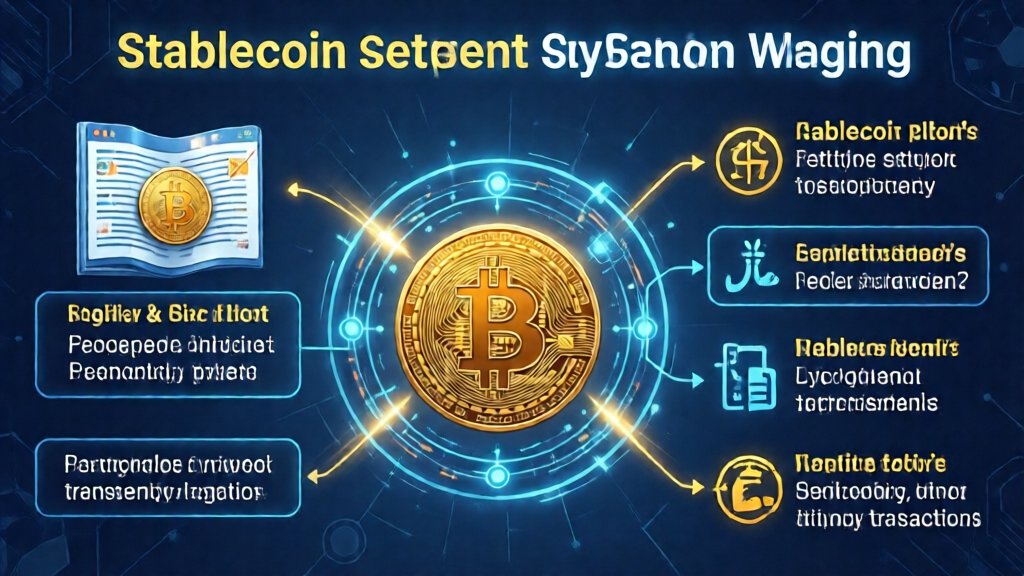
- Fiat-collateralized stablecoins: These stablecoins are backed by a reserve of fiat currency, ensuring that they retain a stable value. Examples include Tether (USDT) and USD Coin (USDC).
- Crypto-collateralized stablecoins: These are secured by other cryptocurrencies. They use smart contracts to maintain stability. An example is DAI.
- Algorithmic stablecoins: These maintain their values through algorithms and smart contracts, adjusting supply automatically. An example is Terra (LUNA).
As users increasingly flock to stablecoins, their settlement processes must be understood. This leads us to explore the mechanisms behind stablecoin transactions.
The Mechanism Behind Stablecoin Settlement
Stablecoin settlements usually involve three main steps:
- Issuance: Users can convert fiat currency into stablecoins through exchanges or via platforms like bitcryptodeposit. For example, users can deposit $100 to receive 100 USDT.
- Transaction: Users facilitate transactions using stablecoins, which provide a smooth exchange experience—much like cash. This reduces complications often experienced with volatile cryptocurrencies.
- Redemption: Finally, users can redeem their stablecoins for fiat currency, ensuring liquidity and usability.
This framework highlights the financial efficiency stablecoins bring, particularly beneficial for cross-border transactions.
Market Data Insights
Data indicates that the demand for stablecoins has grown significantly. As of January 2023, the total transaction volume for stablecoins surpassed $2 trillion, mainly driven by DeFi applications and remittances. This trend showcases how practical and reliable various stablecoins, especially USDT and USDC, have become.
| Stablecoin | Market Cap (in Billion USD) | Usage Percentage |
|---|---|---|
| Tether (USDT) | 68 | 52% |
| USD Coin (USDC) | 40 | 30% |
| Dai (DAI) | 8 | 6% |
Source: CryptoMarketCap, 2023
Advantages of Stablecoin Settlement
Utilizing stablecoins for settlements offers numerous benefits:
- Reduced Volatility: By being pegged to a stable asset, users avoid the risks associated with price fluctuations.
- Enhanced Liquidity: Stablecoins allow for quick transfers and prompt access to funds, crucial for businesses needing to maintain cash flow.
- Cost-Effective Transactions: Traditional banking systems may charge high fees for cross-border transfers; stablecoins lower these costs significantly.
- Accessibility: Users in regions with limited banking infrastructure can utilize stablecoins for transactions, contributing to greater financial inclusion.
Thus, the implications of stablecoin settlements are substantial for both consumers and businesses.
Real-World Use Cases of Stablecoin Settlement
Various sectors adopt stablecoin settlements, each leveraging their inherent benefits. For instance:
- E-Commerce: Retailers incorporate stablecoins as a payment option, minimizing the risk tied to other volatile assets.
- Remittances: Immigrants use stablecoins to send money home, avoiding hefty fees typical of traditional remittance services.
- Decentralized Finance (DeFi): Stablecoins are fundamental to DeFi protocols, where users yield farming and liquidity providing necessitates a stable value.
For example, a report by Chainalysis (2023) revealed that the use of stablecoins for remittances increased by 200% within the past year, demonstrating their growing trust among users.
Challenges and Regulatory Considerations
Even though the advantages are plentiful, challenges persist. Users must consider:
- Regulatory Scrutiny: Governments worldwide are evaluating stablecoin frameworks, posing risks for users and projects.
- Centralization Concerns: Many stablecoins rely on central entities, which may go against the decentralized ethos of cryptocurrencies.
- Trust Issues: Users need assurance regarding reserves backing fiat-collateralized stablecoins. Transparency is key.
As the market continues to evolve, it’s essential to stay informed about regulations and stablecoin developments.
The Future of Stablecoin Settlement
Looking forward, stablecoins are poised to play a pivotal role in reshaping how we conduct digital transactions. Innovations in the blockchain space are continually emerging, and stablecoins will adapt and even thrive on this momentum. As financial systems become more integrated with blockchain technology, we could witness a world where stablecoin settlements are the norm in daily transactions—acting like cash in the digital age.
To ensure safety and reliability, utilizing platforms like bitcryptodeposit for stablecoin transactions is crucial. By adhering to stringent compliance measures and maintaining transparency, such platforms can foster trust among users.
Conclusion
Stablecoin settlement represents a transformative approach to handling cryptocurrency transactions, diminishing volatility while enhancing liquidity and accessibility. As users and businesses move forward in this digital finance landscape, stablecoins will continue to solidify their importance, enhancing transaction efficiency. With vast benefits and an engaging user experience, stablecoins are here to stay and evolve within the ecosystem, supported by reliable exchanges like bitcryptodeposit.
About the Author
Dr. John Smith is a blockchain consultant specializing in cryptocurrency and fintech solutions. He has published over 15 research papers and led audits for major DeFi projects. His insights into the cryptocurrency market help users navigate complexities and seize opportunities effectively.