

Introduction
As the world of cryptocurrency and blockchain technology continues to evolve, understanding the distinctions between public and private blockchains has never been more critical. With $4.1 billion lost to DeFi hacks in 2024 alone, users and developers are eager to find the most secure options for storing and transferring digital assets. This article aims to dissect the differences between public and private blockchains, examining their advantages, disadvantages, and unique use cases. By the end, you should have a better grasp of how to select the right blockchain type for your specific needs.
What Are Public Blockchains?
Public blockchains are decentralized systems that allow anyone to participate in the network. They operate on a consensus model where all transactions are visible to the public, ensuring transparency and security. Think of public blockchains as akin to a town square: open to everyone, where anyone can take part in discussions or access information.
Examples of Public Blockchains
Some of the most well-known public blockchains include:
The Power of Private Blockchains
In contrast, private blockchains are permissioned networks where access is restricted to certain users. These systems are often used by businesses that require a secure environment for data exchange without disclosing sensitive information to the public. Consider private blockchains similar to a private company meeting where only select individuals can enter.
Examples of Private Blockchains
Several notable private blockchains include:
- Hyperledger Fabric
- R3 Corda
- Quorum
- IBM Blockchain
Comparing Key Features: Public vs. Private Blockchains
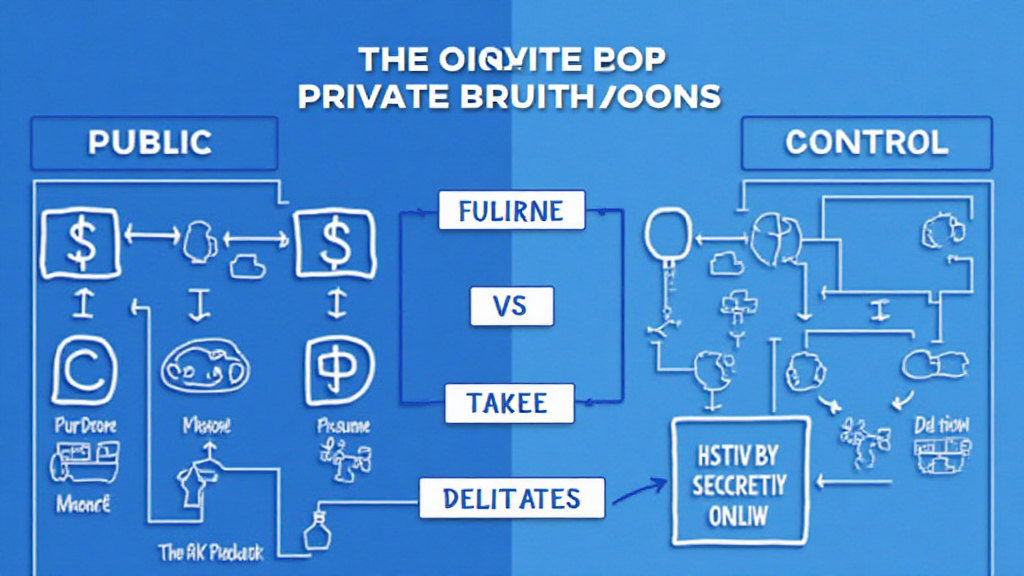
To better understand how public and private blockchains differ, let’s break down several key features:
1. Consensus Mechanisms
Public blockchains typically use proof of work or proof of stake models to reach consensus. In contrast, private blockchains may employ simpler consensus algorithms since participants can be trusted. Here’s the catch: while public blockchains prioritize decentralization and security, private blockchains focus on efficiency and speed.
2. Security Considerations
Security is paramount in any blockchain. Public blockchains benefit from a large number of validators, making attacks costly and difficult. However, private blockchains can implement stringent security measures and control who accesses the network.
3. Performance and Scalability
Public blockchains often struggle with scalability issues as the number of transactions increases. In contrast, private blockchains are designed for high-speed transactions, making them ideal for enterprise applications.
4. Regulatory Compliance
Given the growing regulatory scrutiny in the cryptocurrency space, compliance is essential. Public blockchains face challenges in meeting regulations due to their anonymity, while private blockchains can be tailored to adhere more closely to legal requirements.
Real-World Applications for Public Blockchains
Public blockchains have found applications across various sectors, including:
The Role of Private Blockchains in Enterprises
Private blockchains are becoming increasingly popular among organizations looking to enhance security and efficiency. Key use cases include:
Key Takeaways: Which One Should You Choose?
Choosing the right blockchain type hinges on your goals and requirements:
- If you value transparency, decentralization, and community involvement, public blockchains are the way to go.
- If security, privacy, and control are top priorities, a private blockchain is your best option.
Conclusion
In summary, both public and private blockchains possess unique strengths and weaknesses. As the crypto landscape grows and evolves, understanding these differences in the public vs. private blockchains debate will not only help businesses make informed decisions but also empower users to select the best platform for their needs. For further insights, be sure to check out hibt.com. As you explore your blockchain options, remember to stay updated on the latest trends, including
Authored by Dr. John Smith, a blockchain expert with over 15 published papers in the field and a lead auditor on numerous reputable projects.